Do you remember the sheer panic of staring at a box of random Nationwide Delivery socks and stale crackers, knowing you needed to create something that screamed "thoughtful" but looked decidedly… amateur? The perfect gift basket is supposed to feel like an experience—a curated moment of appreciation. But turning a collection of nice items into a professionally styled, high-end keepsake can feel less like gifting and more like advanced interior design.
The goal isn't just to fill a box; it’s to tell a story. It’s about making your dad feel spoiled, respected, and perhaps even slightly nostalgic for the days when you didn't have to assemble an entire prop department for one afternoon. If you are wondering how to make a fathers day hamper look professional and high-end?, the answer isn't in buying more things; it’s in mastering presentation, quality control, and subtle storytelling.
Choosing the Foundation: The Vessel Matters Most
Before you select a single gourmet chocolate bar, stop and look at the container itself. The basket or box is not merely packaging—it is the first impression, the canvas upon which your gift story is painted. A flimsy wicker basket screams "discount store," while a beautifully crafted wooden crate or sturdy, elegant matte-finish box signals intention and class.
When aiming for that high-end aesthetic, think about material consistency. Are you using bamboo? Deep-stained wood? Or perhaps a reusable velvet-lined storage box? Choosing a container that your dad will actually want to keep after the day is half the battle won. It turns the hamper from a temporary display into a lasting heirloom.

Furthermore, consider the scale. A grand, overflowing basket can look chaotic. Sometimes, restraint is the most luxurious gift of all. A perfectly sized, deep wooden box feels contained and sophisticated—like a gentleman's study accessory. This focus on structure helps guide your vision for how to make a fathers day hamper look professional and high-end?.
Curating Contents: Quality Over Quantity Rules
This is where many people trip up. They tend to accumulate items until the box overflows, creating what I like to call "the gift avalanche." To achieve that polished, luxurious feel, you must be ruthless in your selection process. Every single item needs to look like it belongs together on a magazine spread—because, frankly, it should.
Instead of buying ten mediocre snacks, select three incredible ones. Do they share an aesthetic? Maybe all are artisanal, dark-colored items: aged scotch chocolates, smoked olives, and gourmet jerky. They create visual harmony. The rule here is simple: if the item looks out of place or feels like a filler piece, it must go back in the box.
- Elevated Experiences: Pair physical goods with experiences. A bottle of craft coffee beans paired with a gift certificate for a local brewery tasting tour elevates the hamper beyond just being "stuff." Sensory Depth: Incorporate items that appeal to multiple senses: the scent of cedar in a soap, the crunch of candied nuts, or the rich aroma of fine leather.
As one lifestyle expert once noted, “Luxury is not about cost; it's about curated coherence.” This idea—coherence—is your secret weapon when deciding how to make a fathers day hamper look professional and high-end?.
Mastering Arrangement: The Art of the Visual Flow
Presentation, my friends, is where we turn 'nice' into 'wow.' Think of arranging the items like styling clothes for a formal portrait. You wouldn't just dump them in; you would layer them deliberately.
The key technique here is layering. Start by placing your largest, most structural pieces at the bottom and back—these are your anchors (e.g., a bottle or a book). Then, build around them using complementary items of varying heights. Use smaller, decorative filler items to create negative space that still feels full.
I remember once helping arrange a hamper for my father-in-law. We initially just piled everything in. It looked like a snack disaster zone. After taking 20 minutes to lift the heavier items and nestle the chocolates into gaps using shredded paper crinkle filler, it transformed. It suddenly looked intentional—like an art installation dedicated to grilling.
What metaphors can we use here? Think of your hamper as a landscape painting. The largest items are the mountains; the smaller pieces are the delicate flora. By varying heights and types, you create visual interest that draws the eye naturally across all the goods.
The Details That Speak Volumes: Finishing Touches
The final 10% of effort can account for 90% of the perceived value. This Online Gift Delivery is where you execute those small touches that make someone think, "Wow, they really put thought into this."
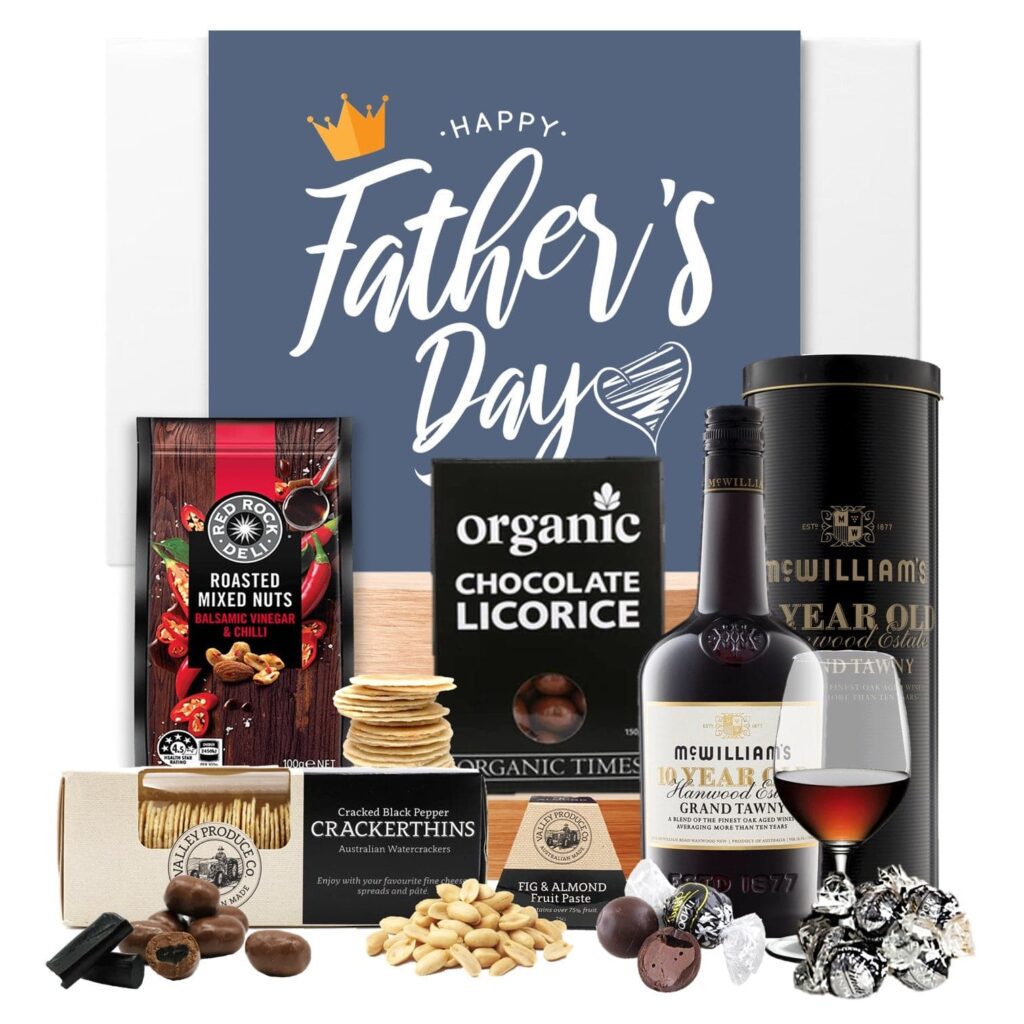
- Filler Material: Skip cheap shredded wood wool. Opt for crinkle-cut paper shreds in muted tones (navy, charcoal, forest green) or even natural moss/raffia if the theme fits outdoorsy items. This material should act as a visual cushion, not just padding. The Ribbon: A cheap plastic ribbon is an instant mood killer. Invest in thick, textured fabric ribbons—velvet, raw silk, or woven jute. Tie it in a deliberate, oversized bow that cascades down the side of the box. This single element can transform a basic basket into something editorial. Personalization: Include a handwritten card. Do not use generic Hallmark sentiments. Instead, write a short paragraph detailing why you chose three specific items: "Dad, I got this coffee because I know how much you love that morning ritual," or "These smoky chocolates reminded me of your incredible grilling skills."
If the initial setup was about solving how to make a fathers day hamper look professional and high-end?, these finishing touches are the proof that the problem has been solved with grace.
Building a Legacy of Thoughtful Gifts Beyond Father's Day
The principles of curation, coherence, and thoughtful presentation do not expire on the holiday itself. In fact, mastering this skill can make you an expert gift-giver for any occasion—anniversaries, birthdays, or even just a random Tuesday because your dad deserves it.
As you move forward into gifting seasons, treat every basket as a miniature project in design and emotional communication. Start small: practice arranging three items on a shelf using the layering technique. Observe how they interact visually before you ever touch a box. By focusing on the story behind the gift—the care taken in its assembly—you ensure that your thoughtful gestures always land with maximum impact, regardless of the occasion or budget.